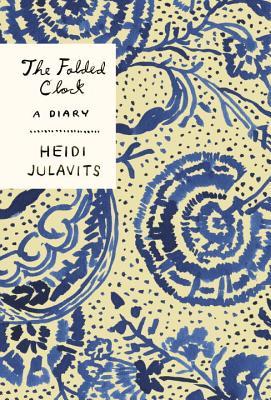
I found the book to be a fine read. Each entry begins with "Today I," but they jump all over the timeline instead of chronologically covering two years. I found some of Julavits' musings interesting and often funny, but I never had that desperate feeling of needing to read some more right this moment. While I appreciated her honesty as she revealed some of her innermost thoughts and regrets, I also felt at times that she was trying to be sensational and I still don't feel like I really know her in any meaningful way.
Reading this book made me think, though. I wondered why we are so eager to read biographies and memoirs. In some cases, we learn more about the lives of people we admire - politicians, philanthropists, performers, or athletes. In other instances, like this one, the subject of the book has not accomplished anything to get her on any "most influential" lists. By her own admission, she leads a mostly quiet kind of life filled with teaching, writing, and family. So what is the impetus for reading about other people's lives?
Do we have an incurable desire to snoop on other people and appreciate that reading a memoir is a socially acceptable way to do so? Do we hope to find some insight into our own lives by reading about the experiences of others? Or is it just a way to connect with humanity as a whole - to understand just a bit what it means to be this particular person?
Why do you read biographies and memoirs?

No comments:
Post a Comment